
Marathon Power will strengthen the reliability of Long Island’s electric grid at the moments it needs it most. By storing energy when supply exceeds demand and releasing it during peak hours, the project reduces strain on transmission infrastructure and helps prevent the outages that hot summer days and storm events can trigger.
At full capacity, Marathon Power can deliver enough electricity to power more than 100,000 Long Island homes during peak demand periods — providing a critical buffer that keeps the lights on when the grid is under stress.
Beyond grid reliability, the project will generate 100 well-paying construction jobs for local workers during its 10-to-12-month build period, putting skilled tradespeople to work right here in Suffolk County.
Strengthen local grid reliability and resiliency
BESS (Battery Energy Storage System) is a technology that stores electricity in rechargeable batteries so it can be used later when demand is high. It helps stabilize the power grid, integrate renewable energy, and improve overall energy reliability and efficiency.
BESS absorbs excess energy, enabling the electric grid to maintain a steady balance between electricity supply and demand and preventing it from becoming overwhelmed and damaged.
BESS allows for energy diversification by allowing it to be consumed on demand and at a controlled rate.
BESS has a rapid response time, supplying power to the grid quickly to maintain grid reliability in response to energy demand.
BESS can provide backup power during disruptions to energy systems, including outages.
BESS reduces economic losses from major and minor outages by allowing cheap energy to be stored for later use, preventing increases that might be passed on to consumers.
We take fire safety seriously, and we believe you deserve straight answers — not talking points.
Battery energy storage systems are among the most regulated energy facilities in New York State. Every component of this project — batteries, modules, racks, containers — must pass rigorous testing under UL 9540A and comply with NFPA 855, the National Fire Protection Association’s standard for stationary energy storage systems. No component that fails that testing will be used at this facility. The project will also comply with New York’s updated 2025 Fire Code, developed over two years by Governor Hochul’s Inter-Agency Fire Safety Working Group in direct response to the 2023 fire incidents in Jefferson, Orange, and Suffolk Counties — among the most stringent energy storage safety standards in the world.
Fires at modern battery storage facilities are rare. When they do occur, real-world air quality monitoring has consistently shown that smoke dissipates quickly and does not pose a health risk to neighboring properties. The fires that made headlines in New York and California involved older battery technology in older installations. This project is different.
Marathon Power will use Lithium Iron Phosphate batteries — LFP — the current industry standard for utility-scale storage. Unlike older nickel-based chemistries, LFP batteries use a stable chemical structure that resists breaking down even at extreme temperatures, making them significantly less prone to thermal runaway. They also contain no heavy metals, eliminating the soil and water contamination risks seen at older facilities.
The system is monitored 24/7, tracking voltage, temperature, and dozens of other data points in real time. If any reading moves outside normal parameters, the system automatically shuts down the affected portion — or the entire facility — before a problem can develop. In the unlikely event of a fire, the containerized design isolates and contains any event to a single rack or container, backed by gas detection, automatic fire suppression, exhaust ventilation, and thermal barriers between units.
Before this facility opens, Marathon Power will partner directly with the Greenlawn Fire Department to develop a site-specific Emergency Response Plan. We will provide hands-on training so local firefighters know the layout, equipment, and proper protocols before they ever need them. Our team will be available for dispatch within 15 minutes of any emergency call, with on-site support within four hours — as required by New York’s 2025 Fire Code. We will also commission an independent third-party peer review of the project’s code compliance, as required by state law for installations of this size.
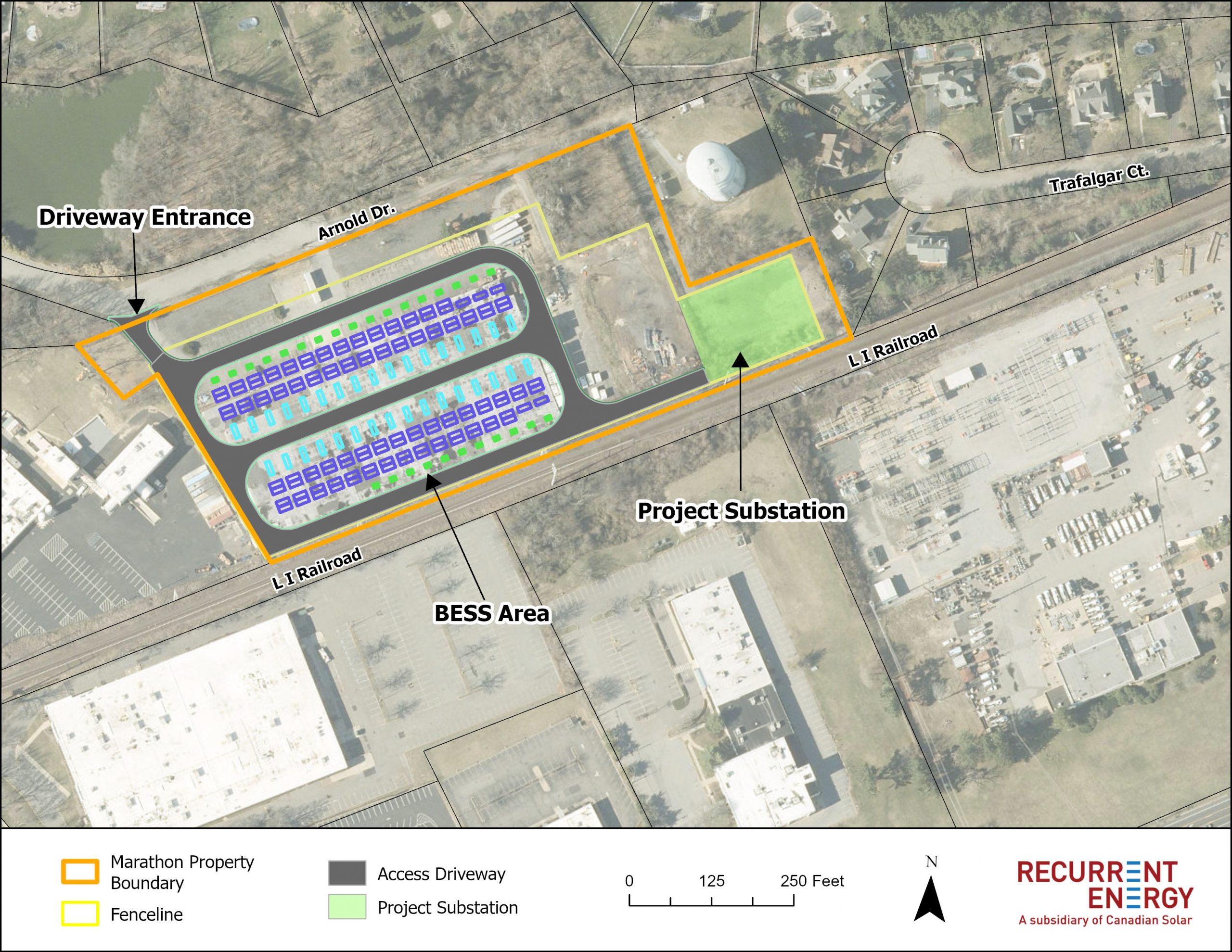
Large-scale Battery Energy Storage Systems (BESS) are facilities that store electricity on the power grid for later use. The Marathon Power BESS is a grid-scale energy storage project that can dispatch up to 135 megawatts (MW) and 540 megawatt-hours (MWh), meaning it can store enough electricity to supply tens of thousands of homes during peak demand periods.
Electricity is stored in the batteries when power is plentiful—such as during periods of low demand or high renewable generation—and discharged back to the grid during peak hours when electricity is most needed. This helps balance supply and demand, improve grid reliability, and reduce strain on existing infrastructure.
Advancements in battery technology, safety systems, and power electronics—combined with economies of scale—have significantly reduced the cost of large-scale energy storage. As a result, BESS projects like Marathon Power have become a proven, reliable, and increasingly common tool used by utilities and grid operators to support a modern, resilient electric grid.
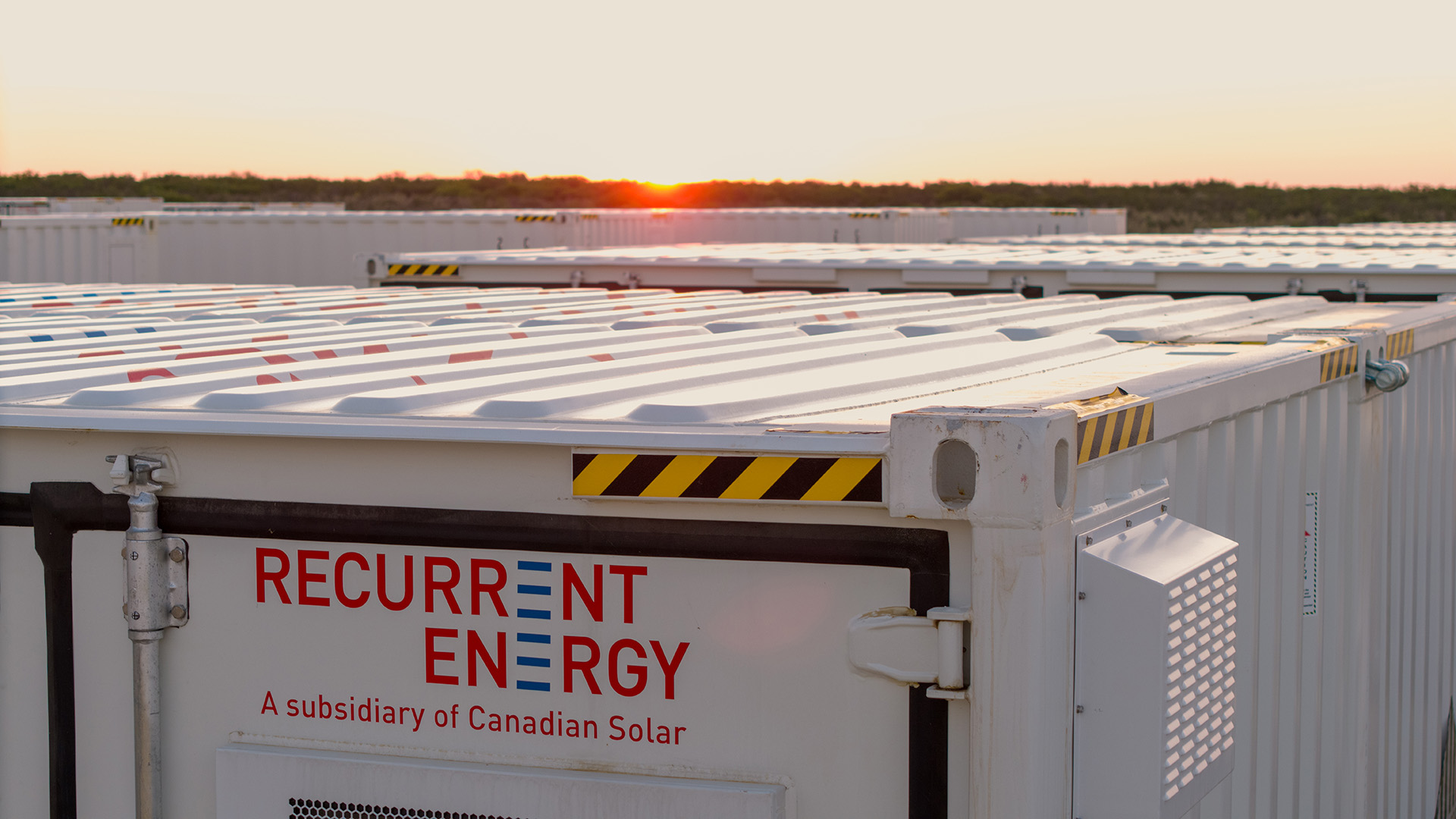
The Marathon Power Battery Energy Storage System will use lithium iron phosphate (LFP) batteries. Specifically, the project will utilize the SolBank energy storage system manufactured by e-Storage, a subsidiary of Canadian Solar.
LFP battery technology is widely used in large-scale energy storage projects due to its strong safety profile, long operating life, and thermal stability. Compared to other lithium-ion battery chemistries, LFP batteries are less prone to overheating and do not contain cobalt or nickel, which enhances both safety and sustainability.
The SolBank system is a fully integrated, utility-scale battery solution that includes an advanced battery management system, fire detection and suppression, and multiple layers of monitoring and protection. These features allow the Marathon Power BESS to operate safely, reliably, and in compliance with applicable local, state, and national safety standards.
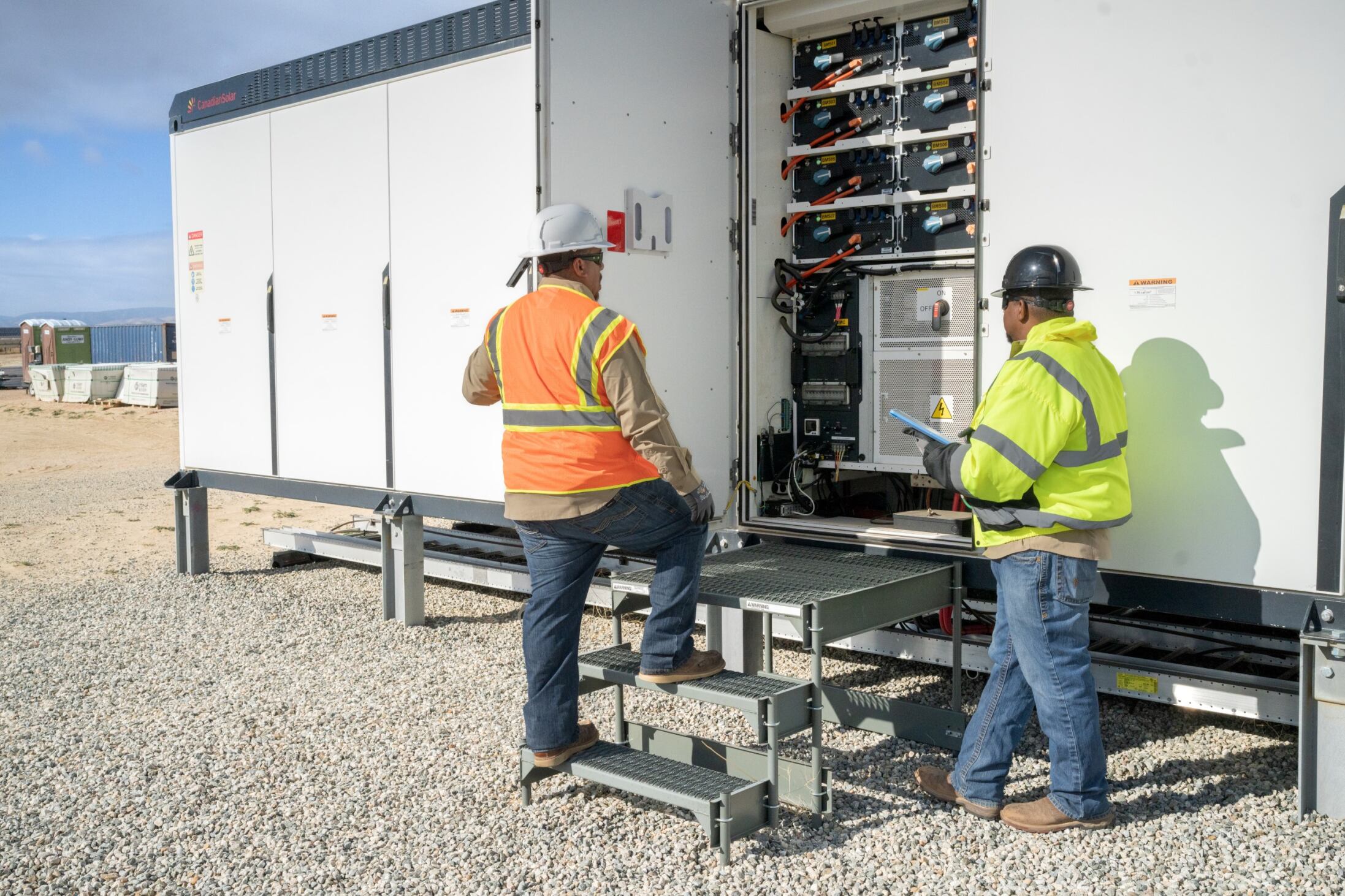
A BESS is made up of individual battery cells that are electrically connected and packaged into battery modules. Multiple modules are then assembled into racks, which include control systems, power electronics, and safety equipment.
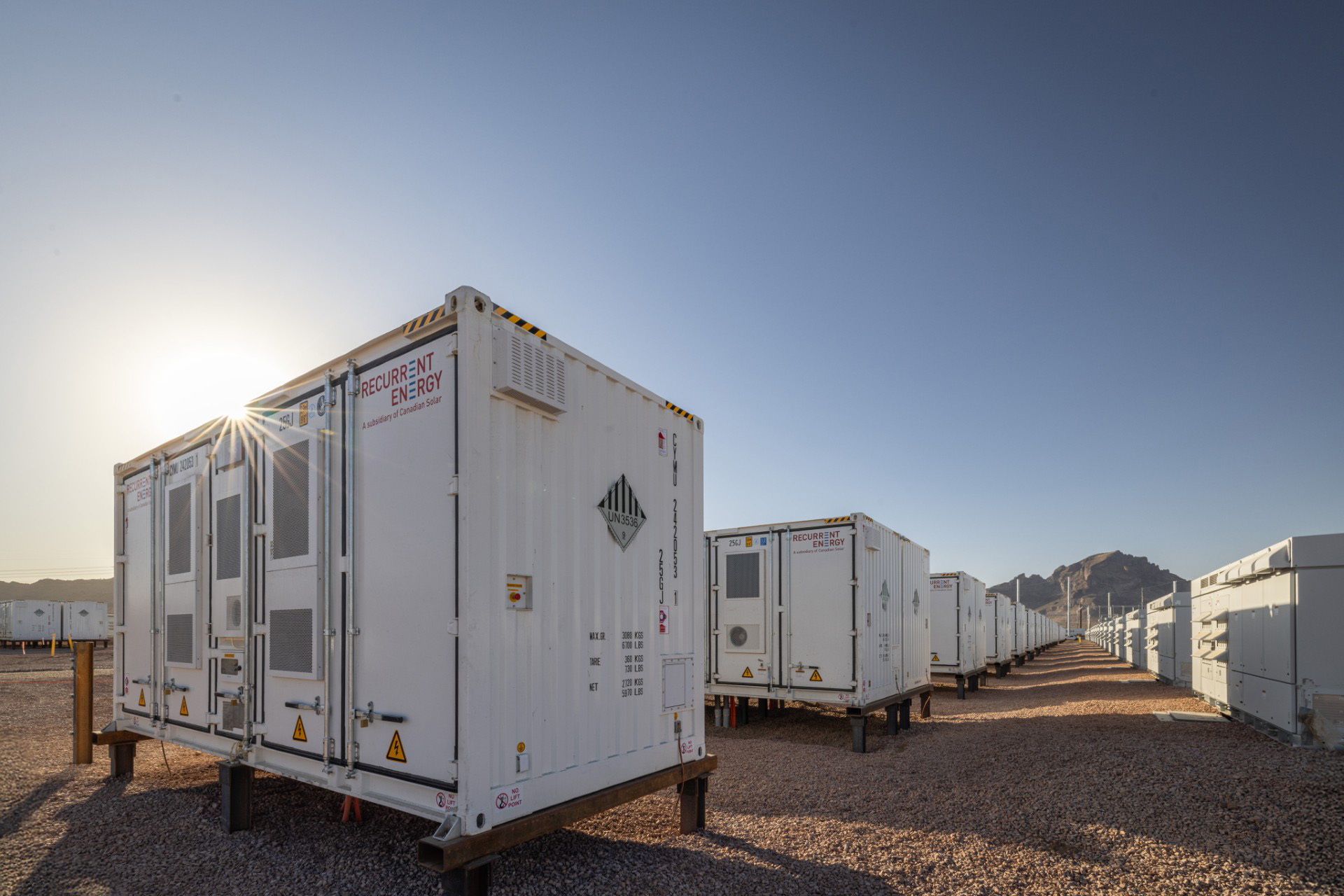
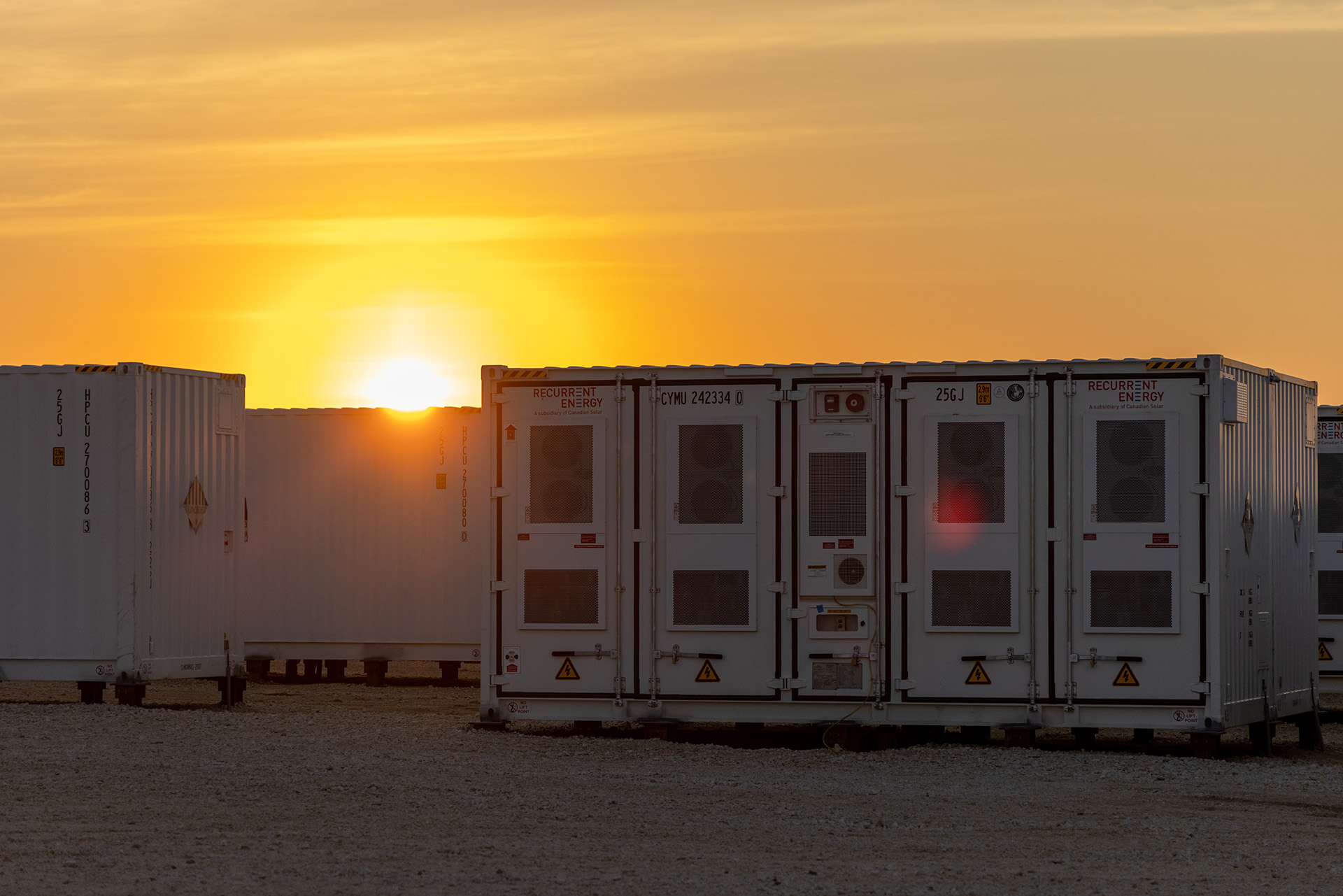
For Marathon Power, these battery racks are housed within enclosed, containerized units. The containers are based on 20-foot standard ISO shipping containers and are specifically designed for utility-scale energy storage. Each container includes integrated monitoring, cooling, fire detection, and suppression systems to ensure safe and reliable operation.
The construction timeline for a Battery Energy Storage System (BESS) depends on the size and complexity of the project. For large-scale, utility-grade projects, construction typically takes approximately 10 to 12 months. Marathon Power is expected to follow a similar construction timeline.
At the beginning of construction for the Marathon Power, the existing warehouse located on the project site will be demolished. The demolition will occur as part of the initial site preparation activities and will be conducted in accordance with all applicable local, state, and federal regulations.
The Marathon Power Battery Energy Storage System provides two primary benefits to Suffolk County and the Town of Huntington: local tax revenue and improved electric grid reliability.
Once all permits are secured, Marathon Power intends to work with the Suffolk County Industrial Development Agency (IDA) to establish a long-term tax agreement for the project. When operational, the facility is expected to generate hundreds of thousands of dollars in property tax revenue each year, providing a stable and predictable source of funding for the County, Town, and local taxing districts—without adding demand for schools, roads, or other public services.
The Marathon Power BESS will add fast-start, locally available capacity in a highly transmission constrained area of Suffolk County. The system can respond almost instantaneously to grid needs, helping stabilize voltage and frequency during periods of peak demand or system stress. By storing electricity when supply is abundant and discharging during peak hours, the project optimizes energy use and is available for local reliability dispatch.
Importantly, the Marathon Power BESS will help reduce reliance on Long Island’s legacy gas- and oil-fired peaker plants by substituting for a portion of their output during peak demand windows. This reduces the operating commitments and run times of older peaker units during stressed hours, supporting a cleaner, more efficient, and more resilient local electric system.
Yes. A Battery Energy Storage System (BESS) has no direct air emissions, requires no fuel pipelines, and stores and recycles electricity already on the grid. By reducing reliance on traditional generation sources during peak demand, energy storage helps lower overall emissions and supports a cleaner electric system.
Safety is a top priority for Marathon Power. The project is designed with multiple layers of protection, monitoring, and control, and will include a site-specific Emergency Response Plan (ERP). Marathon Power is currently working with its fire safety consultant, ESRG, to develop emergency response procedures, hazard mitigation analyses, and training materials in coordination with the Town of Huntington Fire Department and other local first responders. These plans identify potential scenarios and outline appropriate response actions, supported by direct access to subject-matter experts.
All Canadian Solar e-Storage SolBank systems proposed for use at the site are listed to UL 9540 and UL 1973, and have been tested to UL 9540A at the cell, module, and unit level to evaluate thermal and fire behavior. The next generation of the SolBank product line is expected to complete additional UL certifications by the end of 2026, further enhancing already robust safety performance. SolBank 3.0 equips a fire detection, fire alarm, and explosion prevention redundancy design to adhere to all NFPA industry standards and additional UL certifications.
Safety events that result in fires or explosions at battery energy storage facilities are rare. The U.S. energy storage industry has made significant investments in safety design, monitoring, and emergency response practices to further reduce these risks.
Marathon Power is designed with multiple layers of protection to manage and isolate potential battery incidents. Each battery container is equipped with 24/7 monitoring systems, including gas detection and thermal monitoring, which provide early warning of abnormal conditions. The system also includes emergency ventilation designed to manage the release of gases in a controlled manner.
Consistent with current industry’s best practices and fire code guidance, Marathon Power is designed so that a thermal event, if one were to occur, would be contained within a single battery enclosure. The project layout and safety systems are intended to prevent fire propagation between containers.
The Marathon Power is being designed and operated with first responder safety as a top priority. Currently, Marathon Power is finalizing a site-specific Emergency Response Plan in accordance with industry best practices and the New York State Fire Code, in coordination with its fire safety consultant, ESRG, and local fire and emergency response agencies. This plan will define response procedures, site access, fire apparatus routes, and safety protocols. Marathon Power will provide pre-construction training for emergency response personnel covering the project layout, potential construction and operational risks, and responder roles in the unlikely event of an incident. Once construction is complete, Marathon Power will host on-site walkthroughs and training sessions so responders are familiar with the facility, equipment, and emergency procedures, helping ensure safe and effective response at all times.
BESS are currently deployed and operational in a wide variety of environments and settings across the United States, from the freezing temperatures of Alaska to the deserts of Arizona. These systems are designed with associated heating and cooling systems to ensure optimal battery operations and life based on the environmental conditions at the installation location. The SolBank battery cells are enclosed in dust- and water-resistant IP55 / NEMA 3R rated containers. BESS are built to withstand disruptive weather events and can also help increase grid resiliency to extreme weather events, prevent power outages, and provide back-up power.
During normal operation, BESS do not release pollutants into the air or waterways. BESS are equipped with spill containment should an event occur, and we work closely with first responders to ensure they are well versed in the proper emergency response procedures.
Like batteries used in handheld devices, lithium-ion and other types of batteries do not give off electromagnetic radiation. These batteries store electrical energy in chemical form, which can be converted back into electrical energy and discharged back to the grid.
The batteries themselves do not make any noise. Unlike other power infrastructure or generation facilities, BESS have very low noise profiles, with fans, HVAC systems, and transformers producing sounds at similar levels to standard commercial buildings. Marathon Power will comply with local noise codes to eliminate noise impacts on the surrounding community.
Marathon Power will be housed in shipping container-style enclosures, and it does not require lighting to operate. Any lighting installed will be for security purposes only and designed to comply with local standards, minimizing light pollution and keeping impacts similar to typical streetlighting in the area.
Most BESS can last for 20 years or more. Battery degradation is based on various factors such as chemical composition, the number of charge and discharge cycles, and the temperature of the environment that the batteries are exposed to. The US lithium-ion battery recycling industry is growing rapidly to accommodate batteries from both electric vehicles and BESS. Companies are moving beyond simple recovery of raw materials and into direct recycling of electrode materials that can be built sustainably and cost-effectively into new batteries. BESS provide the opportunity to repurpose batteries from end-of-life electric vehicles, extracting maximum usage for the benefit of consumers.
The site will undergo 24/7 monitoring through a remote operation center and full O&M servicing with preventive maintenance and corrective maintenance of the equipment. BESS units are equipped with various sensors that track battery temperatures. The battery management systems also monitor the performance of each individual cell, such as voltage and other key parameters, then aggregate that data in real time to assess the entire system’s operation, detect anomalies, and manually adjust the system to maintain safety.
Of BESS in development
States cross the US with PV&BESS in development
Employees around the globe
Of BESS in operation